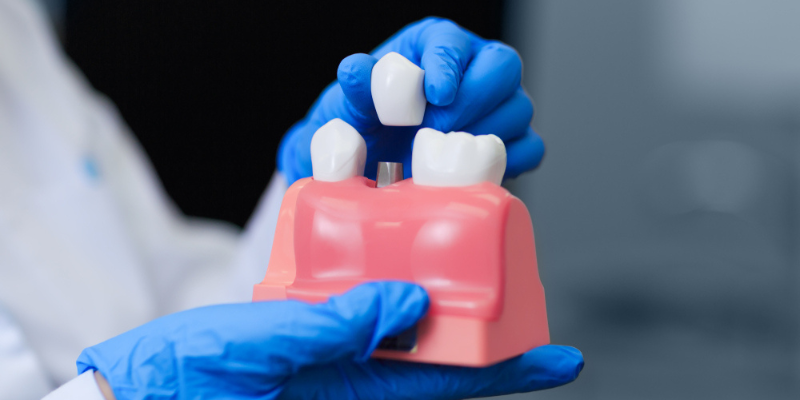

Tooth Removal

What is Tooth Extraction?

Tooth extraction is the removal of a tooth that is too damaged, decayed, or infected to be saved. It may also be recommended for impacted wisdom teeth, crowded teeth before orthodontic treatment, or when severe gum disease affects tooth stability. While the idea of extraction can sound intimidating, modern dentistry makes the process safe and comfortable. With proper care, extractions relieve pain, prevent infection from spreading, and create room for a healthier dental structure. It is often the first step toward restoring long-term oral health.
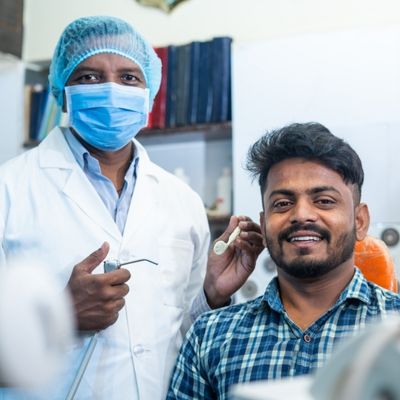
Safe Tooth Extraction at Our Clinic

At Shah Dental Clinic, we perform tooth extractions with precision, care, and a focus on patient comfort. Our dentists use modern anesthesia and gentle techniques to ensure a nearly painless experience. Whether it’s a simple extraction or a more complex case like impacted wisdom teeth, we provide safe procedures in a sterile environment. After the treatment, we guide you with clear aftercare instructions for quick healing. With our skilled team, you can feel confident that your extraction is handled with the utmost care and attention.

What happens during wisdom tooth extraction?

The day of your procedure, your surgeon will:

  • Give you anaesthesia to numb your teeth and gums and keep you comfortable. (If you choose sedation, they’ll give you sedative medications, as well.)
  • Make incisions (cuts) in your gums, if necessary, to expose teeth trapped in your gums or jawbone.
  • Carefully loosen your wisdom tooth and lift it from its socket. (They may need to divide your tooth into sections for easier removal.)
  • Clean the area to make sure there’s no infection.
  • Place stitches to close the surgical site, if necessary.
  • Place gauze over the sockets to slow bleeding.

How long does this procedure take?

Wisdom tooth extraction usually takes an hour or less. Complex cases may take longer.

What happens after wisdom teeth removal?

After wisdom teeth removal, you can expect mild discomfort, slight bleeding and swelling. Your oral surgeon will give you instructions for wisdom teeth management to ease these side effects. Once your sedation wears off enough, a trusted friend or family member will drive you home.

Dos and don’ts after wisdom tooth extraction

Your surgeon will give you postoperative guidelines specific for your situation. Following these instructions will help you manage bleeding, swelling and pain after your procedure.

In the meantime, here are some general “dos and don’ts” after wisdom teeth removal:

DO:

  • Leave gauze in place for about 30 minutes after your surgery. Replace with clean gauze if necessary. Your surgeon can tell you when to stop using gauze after wisdom tooth extraction. But in general, you can take it out when the bleeding slows. It’s normal to have some oozing, but you shouldn’t have excessive bleeding.
  • Rest as much as you can. You should stay at home and recover for at least three to five days. If you have a physically demanding job, you might need to wait longer before returning to work.
  • Use an ice pack to help reduce swelling. Wrap the ice pack in a clean towel and place it on your face. Leave it on for 20 minutes, and then take it off for 20 minutes. Repeat several times a day.
  • Keep extraction sites clean. Gently soak the surgical areas with alcohol-free antibacterial mouthwash. Don’t swish. Swishing can dislodge blood clots and cause dry sockets, a painful condition that exposes the bone at your extraction site. Instead, lean your head to each side and let the mouthwash soak the areas.
  • Brush and floss the rest of your teeth every day. While you don’t want to brush over the extraction sites, you’ll still need to keep your other teeth clean during recovery. This reduces your risk of infection.
  • Take all medications as prescribed. Your surgeon will give you medications to keep you comfortable and reduce your risk of infection. Please don’t stop taking these medications until your surgeon says it’s OK.

DON’T:

  • Drink through a straw. This dislodges blood clots and causes dry sockets.
  • Exercise until your surgeon says it’s OK. Getting your heart rate up increases your risk for pain, bleeding and swelling. Most people can resume their fitness routines in about 48 to 72 hours.
  • Lift heavy things. Heavy lifting also increases your risk for postoperative complications like pain, bleeding and swelling.
  • Eat hard, crunchy or chewy foods. These can damage your healing gums and cause pain.
  • Drink carbonated beverages or alcoholic beverages. These beverages can dislodge blood clots and cause dry sockets. Skip these drinks for at least five days.
Your Smile Deserves the Best Care.

Get painless and affordable dental treatments with expert care you can trust.

Schedule a Visit