

Subscribe to out newsletter today to receive latest news administrate cost effective for tactical data.
Let’s Stay In Touch



Phone:
+91 911 112 9118
shahdentalratlam@gmail.com

Subscribe to out newsletter today to receive latest news administrate cost effective for tactical data.
2478 Street City Ohio 90255
Subscribe for newsletter
Phone:
Monday - Saturday:9 am - 8 pm
Sunday:9 am - 5 pm
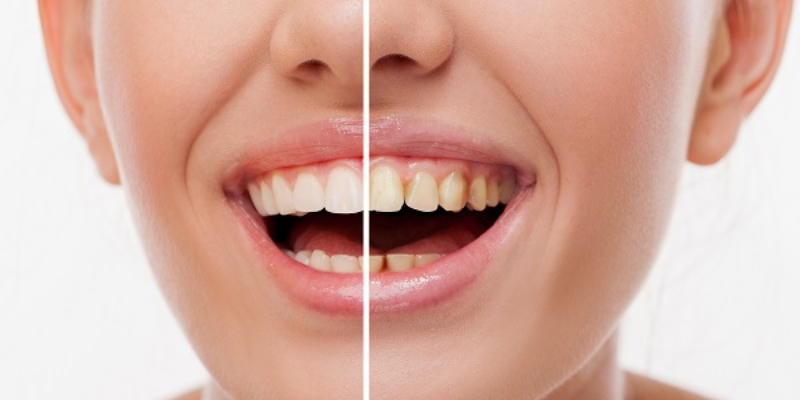
Dental cleaning and polishing is a preventive procedure that helps keep your teeth and gums healthy. Over time, plaque and tartar build up on teeth, which regular brushing and flossing cannot fully remove. Professional cleaning gently removes these deposits, reducing the risk of cavities, gum disease, and bad breath. Polishing smooths the tooth surface, making it harder for plaque to stick and leaving your smile cleaner and brighter. Regular cleaning sessions are an essential part of oral hygiene and help maintain long-term dental health.

At Shah Dental Clinic, we provide thorough dental cleaning and polishing in a comfortable, stress-free environment. Our skilled team uses modern tools to carefully remove plaque and tartar, paying special attention to areas that are difficult to clean at home. After scaling, we polish the teeth to restore their natural shine and freshness. This treatment not only improves oral health but also enhances the overall appearance of your smile. With our patient-focused approach, you can expect gentle care and effective results, ensuring your teeth remain strong, healthy, and bright.
There are different types of dental cleanings, based on your needs. But all have the same end goal — to remove harmful bacteria and reduce your risk for dental issues.
According to the American Dental Association, people should schedule teeth cleanings at regular intervals recommended by their dentist. For many people, this will be every six months. But that could change based on your unique oral health needs.
Dental cleanings always involve scaling and polishing your teeth. Depending on your needs, your dentist or hygienist may also recommend other diagnostic and preventive treatments.
Treatments commonly performed during a dental cleaning include:
During this step, your dentist or hygienist will use hand instruments called scalers to remove plaque and tartar from your teeth surfaces. In some instances, they may also use an ultrasonic scaler, which vibrates and sprays a jet of water. You might hear scraping sounds during this step, but it shouldn’t hurt.
Your dentist or hygienist will polish your teeth using a soft rubber cup and a special paste or pumice. This removes the biofilm on your teeth surfaces and reduces plaque buildup without damaging your enamel.
Depending on your unique oral health needs, your dentist or hygienist may recommend other preventive services like dental sealants or fluoride treatments. If you have back teeth (premolars or molars) with deep grooves or crevices, dental sealants can help protect these areas from harmful, cavity-causing bacteria. Fluoride treatments help strengthen your enamel and reduce your risk for cavities. Children and adults alike can benefit from sealants and fluoride treatments. Ask your dentist if these preventive treatments are right for you.
Most people need new dental X-rays every six to 36 months. However, if you have an issue that requires regular monitoring, you may need more frequent X-rays. Routine X-rays are essential for the diagnosis and treatment of dental conditions.
If your dentist or hygienist finds anything concerning during your dental cleaning — such as cavities or gum disease — they’ll discuss your treatment options with you in detail.
On average, routine dental cleanings take between 30 minutes and an hour. If you’re undergoing debridement or scaling and root planing, it could take longer.