

Subscribe to out newsletter today to receive latest news administrate cost effective for tactical data.
Let’s Stay In Touch



Phone:
+91 911 112 9118
shahdentalratlam@gmail.com

Subscribe to out newsletter today to receive latest news administrate cost effective for tactical data.
2478 Street City Ohio 90255
Subscribe for newsletter
Phone:
Monday - Saturday:9 am - 8 pm
Sunday:9 am - 5 pm
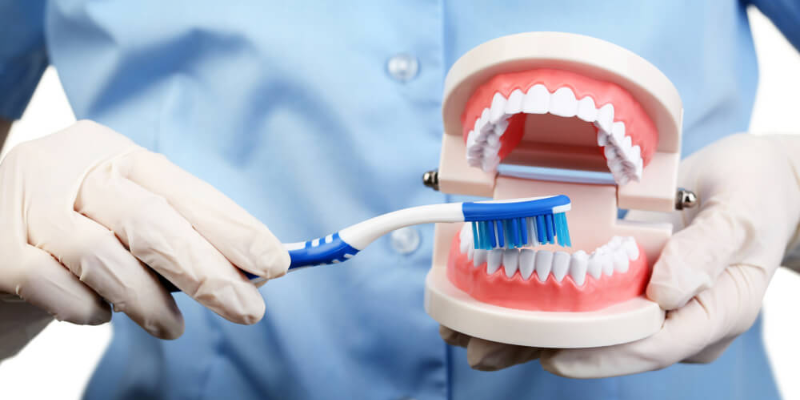
Preventive dentistry is all about keeping your teeth and gums healthy before problems start. It focuses on regular check-ups, cleanings, and simple habits that protect your smile for the long term. Preventive care helps stop cavities, gum disease, and enamel wear, while also making sure small issues are detected early.
It combines professional treatments with good daily practices like brushing, flossing, and a healthy diet. By prioritizing prevention, you can avoid complex dental problems in the future and enjoy a bright, confident smile for years to come.

At Shah Dental Clinic, we emphasize prevention as the foundation of oral health. Our dentists provide thorough check-ups, professional cleanings, fluoride treatments, and personalized advice to keep your teeth strong and healthy. We also educate patients on the right home care techniques to maintain long-lasting results. With modern equipment and a gentle approach, we make preventive visits comfortable and effective. By choosing regular preventive care with us, you protect your smile, reduce future treatment needs, and ensure overall dental wellness for your family.
Oral hygiene is preventative care. This means you can stop oral health problems — such as cavities, gum disease, bad breath (halitosis) and other issues — before they start by taking good care of your teeth and gums.
Oral health is also linked to whole-body health. For example, if an infection is present in your mouth, your bloodstream can carry the bacteria to other areas of your body, leading to other health concerns like heart disease and stroke. Keeping your teeth and gums healthy is an important part of long-lasting overall health.
Research shows that gingivitis and periodontitis can contribute to certain health conditions, including:
Conversely, certain health conditions can harm your teeth and gums, including:
If you or a loved one has any of the conditions listed above, ask your dentist how to promote and support overall health through proper oral hygiene.
Several warning signs could indicate oral health problems. The most common signs of poor oral hygiene include:
Excellent oral hygiene protects your teeth and gums and keeps your smile beautiful. Here are some general oral hygiene instructions to keep your smile healthy:
Remember, the best oral hygiene routine is one that you can practice consistently. Talk to your dentist about a personalised oral health regimen to meet your needs.
When shopping for oral health products, the best rule of thumb is to look for the ADA Seal of Acceptance. This seal, awarded by the American Dental Association, means that the product has been rigorously tested and approved by scientists in fields like microbiology, toxicology, pharmacology and chemistry.
Depending on your specific situation, your dentist may make personalised product recommendations. Ask your dentist which products are right for you.