Subscribe to out newsletter today to receive latest news administrate cost effective for tactical data.
2478 Street City Ohio 90255
Phone:
Monday - Saturday:9 am - 8 pm
Sunday:9 am - 5 pm
Orthodontics is the branch of dentistry that focuses on correcting misaligned teeth and jaws. Problems like crowded teeth, gaps, overbite, or underbite not only affect your smile but can also impact chewing, speech, and overall oral health. Orthodontic treatments gradually move teeth into the right position using braces, aligners, or other appliances. The goal is to create a straight, balanced smile that functions properly and looks attractive. With timely orthodontic care, both children and adults can achieve healthier teeth alignment and long-term confidence in their smile.
At Shah Dental Clinic, we provide personalized orthodontic solutions designed to suit your needs and lifestyle. From traditional braces to modern clear aligners, our treatments are planned with precision for effective results. Our dental team ensures the process is comfortable and closely monitors progress throughout your journey. Beyond aesthetics, we focus on improving bite function and overall oral health. With our expertise and patient-centered approach, you can look forward to a smile that is not only beautiful but also healthier and easier to maintain.
According to the American Association of Orthodontists, children should have their first orthodontic visit no later than the age of 7. While many children won’t need treatment at this age, it’s a good time to find out if there are any issues to watch out for. Often, children who need early orthodontic treatment can reduce their need for extensive dental procedures in the future.
Almost everyone can gain some benefit from orthodontics. But some people need treatment more than others. Many people seek orthodontic treatment because they want to improve the appearance of their smile. But in addition to cosmetic benefits, orthodontics offers improved chewing function and better oral health.
Types of orthodontic problems include:
To qualify for orthodontic treatment, you shouldn’t have any serious dental issues like extensive decay or gum disease. Placing braces on diseased teeth can have a serious negative impact on your oral health.
If you have cavities or gum disease, see a dentist for treatment. Once you manage those conditions, ask your dentist if orthodontic treatment is right for you.
Several treatments fall under the speciality of orthodontics. Some of the most common include:
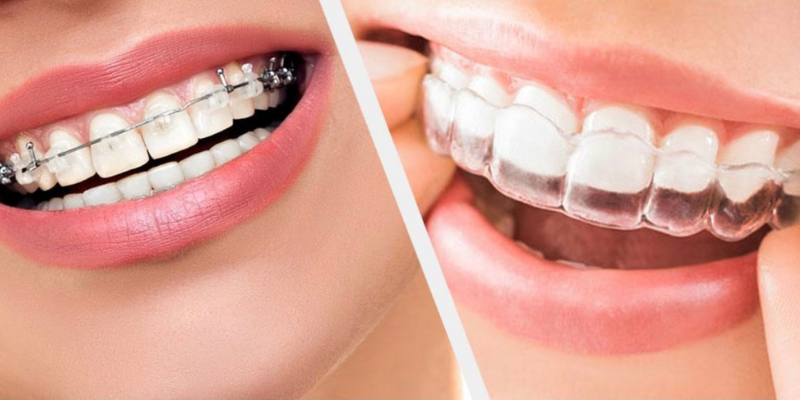
Braces gradually shift your teeth into their desired positions over time using a combination of brackets, bands and wires. There are different types of braces depending on your needs, including traditional metal braces and clear (ceramic) braces.
Clear orthodontic aligners are a popular alternative to braces. Well-known brands include Invisalign® and ClearCorrect®. Rather than using brackets and wires to straighten your teeth, these systems use a series of custom-made, clear aligner trays. You wear each set of trays for one to two weeks before switching them out for the next set in the series. Over time, the clear aligners shift your teeth into their proper positions.
If you wear braces or clear aligners, you’ll need a retainer once your orthodontic treatment ends. A retainer is a custom oral appliance that keeps your teeth from drifting out of their proper positions. Your orthodontist can tell you how often you’ll need to wear your retainer to maintain the results of treatment.
Orthodontists recommend some treatments during childhood. This is because a child’s facial bones are still developing, and they’re much easier to move and manipulate. A palate (palatal) expander helps to widen a child’s upper jaw. Most children don’t need palate expanders. But under the right circumstances, these devices can create extra space without the need for tooth extractions or other procedures.